

At School
Are you currently at school and want to know more about engineering and what we do at React? What is an Engineering Consultant? What does a Project Manager do?
Come and work alongside our Engineers and get an insight into life at React.


Work Experience
We offer work experience for students in Year 10. Your week will be spent working alongside our Engineering and Project Professionals. Over the week you will work on a project with real links to accelerating decommissioning, adapted to your personal and educational aspirations, and with access to a dedicated mentor and the expertise of the wider team.
The week builds technical, project management and communication skills, and you will finish the week with a presentation to part of the wider company.
Past work experience
At React, we believe that developing the next generation of engineers starts with giving young people the opportunity to experience the industry first hand.
In July, we welcomed three Year 10 students into the office for a week of work experience. Supported by members of our engineering team, each student took ownership of an individual research project, exploring real world challenges across the nuclear sector before presenting their findings to our team at the end of the week.
At React, we are proud to support the development of future engineering talent and to give young people an opportunity to see where a career in the industry could take them. Interested in work experience with React? We welcome applications from students who are enthusiastic, motivated and keen to develop their skills. Please submit a cover letter and CV using the link below.
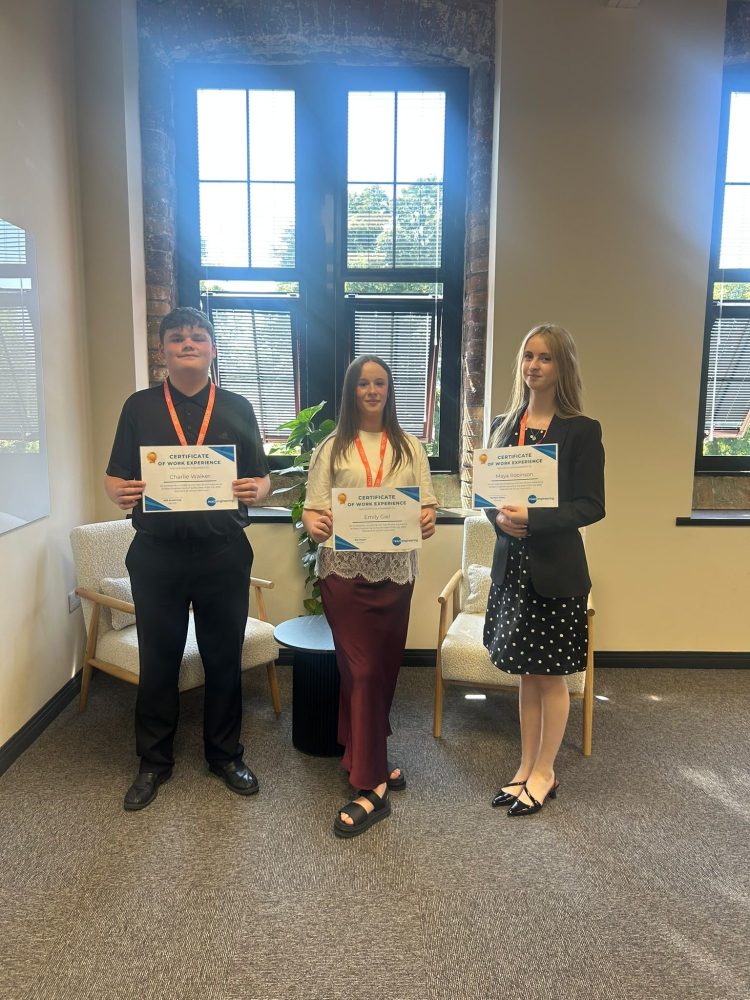
Emily
Researched how Britain can prepare for and respond to future nuclear incidents. As part of her project, Emily visited The Beacon Museum to explore the current Sellafield exhibition and investigated major nuclear disasters, including Chernobyl and Fukushima. Her research considered the lessons learned from these events and how they can help shape future safety and resilience.
Maya
explored the management of radiation risk ,from nuclear decommissioning through to space missions. Her research evaluated eight different radiation protection strategies and culminated in a detailed six-year implementation plan, demonstrating the importance of long term thinking when managing complex radiation risks.
Charlie
investigated the safe removal and disposal of nuclear materials, taking on the role of a junior decommissioning consultant for React. Working through a scenario involving loose highly radioactive material, Charlie explored the use of robotics, 3D digital twins and remote monitoring technologies already playing an important role across the nuclear industry. His project also considered potential hazards and long-term storage solutions for nuclear waste.

Into Engineering Week
How do you get Into Engineering? What goes Into Engineering? Am I Into Engineering?
Our innovative Into Engineering week is for students in Year 12 and has been designed to give an insight into all the aspects that go into delivering multi-disciplinary engineering projects. Working as part of a team you will be tasked with solving a real-life decommissioning challenge balancing a wide range of other competing and complementary priorities to develop a good quality ‘winning’ solution. At the end of the week the team will have to present their findings and pitch for the ‘contract’ to a panel of industry experts.
Our engineers support Into Engineering week, delivering technical sessions created specifically for your project. These include structural analysis and design, costing and risk management as well as softer skills sessions, providing advice and guidance on pathways into university and life after school.
Over the 5 days you are with us in our office, you will meet many different members of the React team, with a wide variety of backgrounds and skills. This will give you a great opportunity to learn about the different paths and opportunities you could take in the future.
This years Into Engineering Week
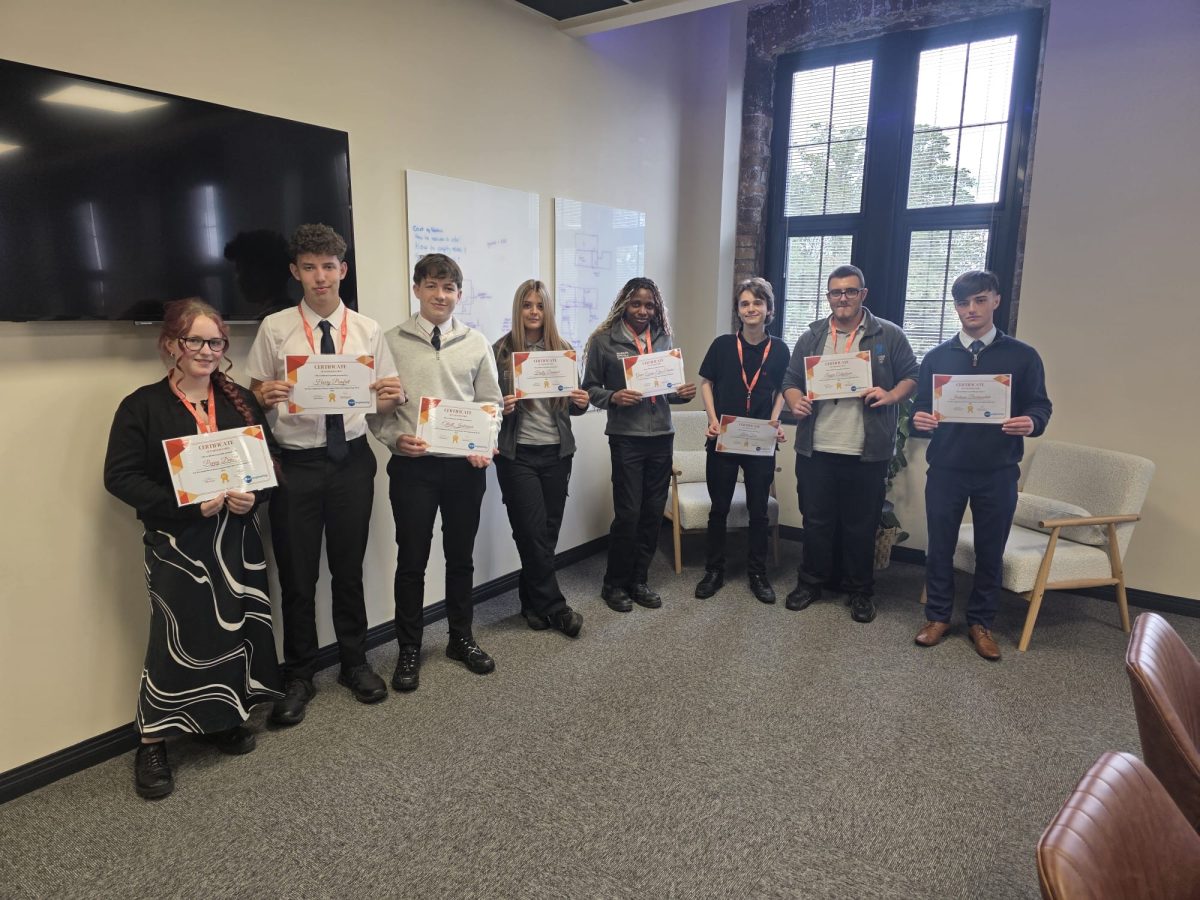
This summer we hosted our annual Into Engineering for nine Year 12 students from various local schools in the area. Throughout the programme, our engineers delivered a series of technical sessions designed to support the students project work, covering topics including problem solving, cost analysis, process engineering and waste management.
Working in two teams, the students were challenged to develop a decommissioning proposal, bringing together the knowledge and skills they had gained thoughout the week before presenting their recommendations to a panel of judges. What made the presentations particularly impressive was how differently each team approached the challenge.
One team adopted a project management-led approach, focusing on the practical realities of planning and delivering the work on site. Their proposal demonstrated a strong understanding of how successful engineering projects depend on effective coordination, scheduling and delivery.
The second team focused on innovation, developing an engineering solution that challenged more conventional approaches. Their creative design demonstrated how innovative thinking could improve efficiency while reducing both programme time and project costs. Both teams demonstrated excellent teamwork, problem-solving skills and professionalism throughout the week, and it was fantastic to see their confidence grow as they developed their ideas.
Reflecting on the week, Ellie Moore who coordinated the programme said:
“It was great to support the students throughout the week. They settled into their teams quickly and worked hard to produce a report and presentation explaining how they would approach the decommissioning task. It was fantastic to see the students develop their ideas, work collaboratively to tackle the problem and present their solutions with confidence at the end of the week”.
Student Feedback
“The week was really helpful as it made me realise engineering is a career path I am interested in, which is something I hadn’t fully considered before. Having the opportunity to speak to different people within the company, and seeing what roles they play showed me what different opportunities are available for me in the future and what stands out to me as a potential career path. I was always sure I wanted to study Maths or Physics at university however after this week, I now think I would prefer a career in mechanical engineering.”
“Before, I thought engineers were more hands-on designing, but this showed me that there is more to engineering than the hands-on stuff”
“When joining the project, I was not sure what to expect, however, after the first few days I realised I definitely made the right decision to join the project.”
“From talking to all types of engineers (chemical, mechanical, electrical etc.) I now have a deeper understanding of the different types of roles an engineer can take.”
“The week far exceeded my expectations. I gained a really deep insight into the different types of engineering, and also the methods and practises they use to do their jobs.”
Want to know more?
Get in touch to find out more about React Engineering
