

Engineering the safe retrieval of high hazard flocculant from legacy storage tanks
A series of redundant settling tanks on Sellafield site contain a significant quantity of active legacy floc material (clumps of fine solid material which settled out of effluents generated from nuclear reprocessing operations) which need to be safely managed and contained. The storage tanks are in a deteriorating condition, requiring the safe retrieval of accumulated floc material prior to demolition. A project was initiated to develop a safe retrieval capability. Following the loss of the original process engineering resource, React were engaged to successfully complete the process design, ensuring the project maintained momentum.
Key Benefits
- Rapid engineering assessments which enabled key decisions to be made quickly, avoiding unnecessary rework and keeping the project to schedule.
- Close collaboration with the commissioning team during the final stages of the design phase to address any discrepancies which will allow the commissioning team to progress at a faster pace.
- Reduced checking & approval time of process deliverables.
- Provision of Engineering stability & leadership of the Process Engineering scope.
Client & Location
Sellafield, Cumbria
Our Partners
Tetra Tech, Shepley Engineers – As part of Cumbria Nuclear Solutions Ltd.
Sellafield Limited
Key Skills & Competencies
Process Engineering Design Calculations
Fault Scenario Assessment
Collaborative Team Working
Project Overview
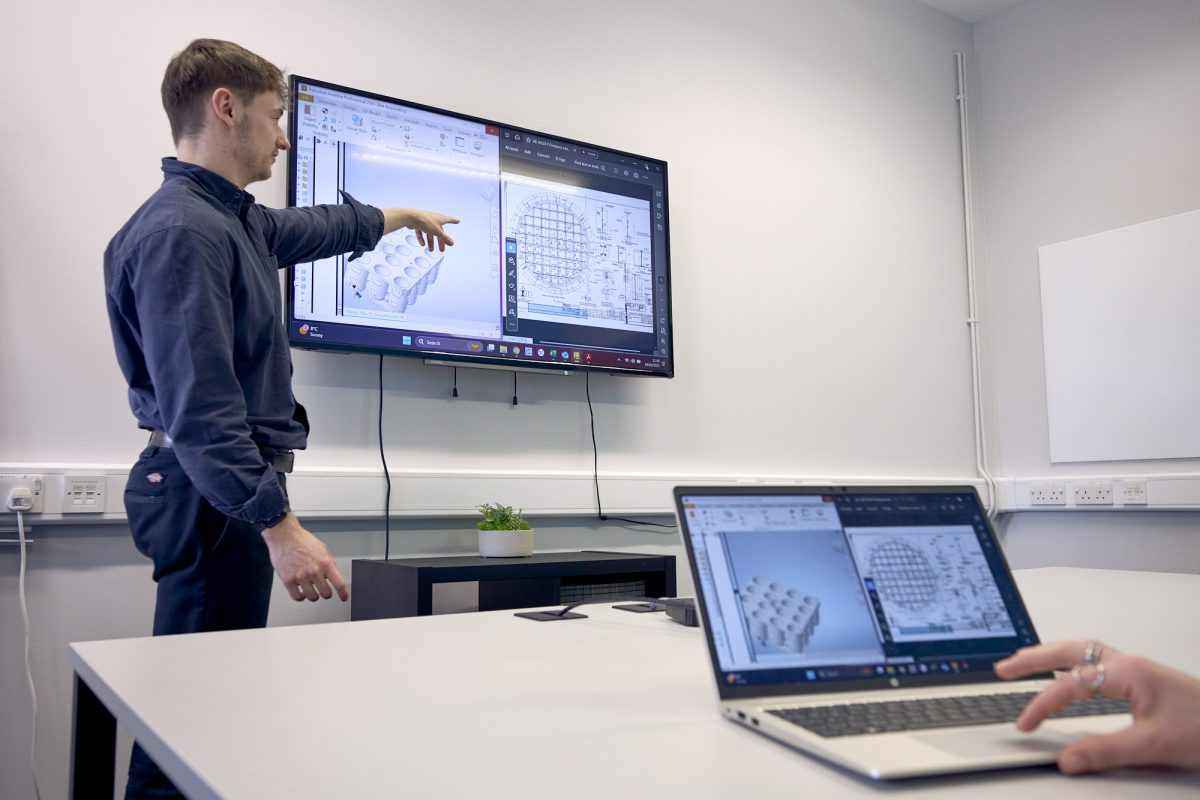
React led the remaining process engineering design aspect of the project working with partnering organisations responsible for the Mechanical, CE&I & CS&A design for the project to deliver an integrated engineering solution.
React delivered the outstanding process engineering scope, completing pressure drop calculations; identifying a defect with the retrieval equipment. By rapidly assessing alternative solutions and selecting a more robust item, React helped prevent future delays. React updated all key Process documentation including, Plant Item Schedules & Engineering Flow Diagrams to As-Built status, providing an accurate record to support safe operation and future maintenance.
React worked collaboratively with our Sellafield Engineering counterparts as well as Commissioning personnel to deliver the remaining process design. This resulted in a closer working relationship than had previously been seen on the project. This closer collaboration ensured all critical process deliverables were completed on schedule and enabling a seamless transition into the commissioning phase of the project.
Want to know more?
Get in touch to find out more about React Engineering
