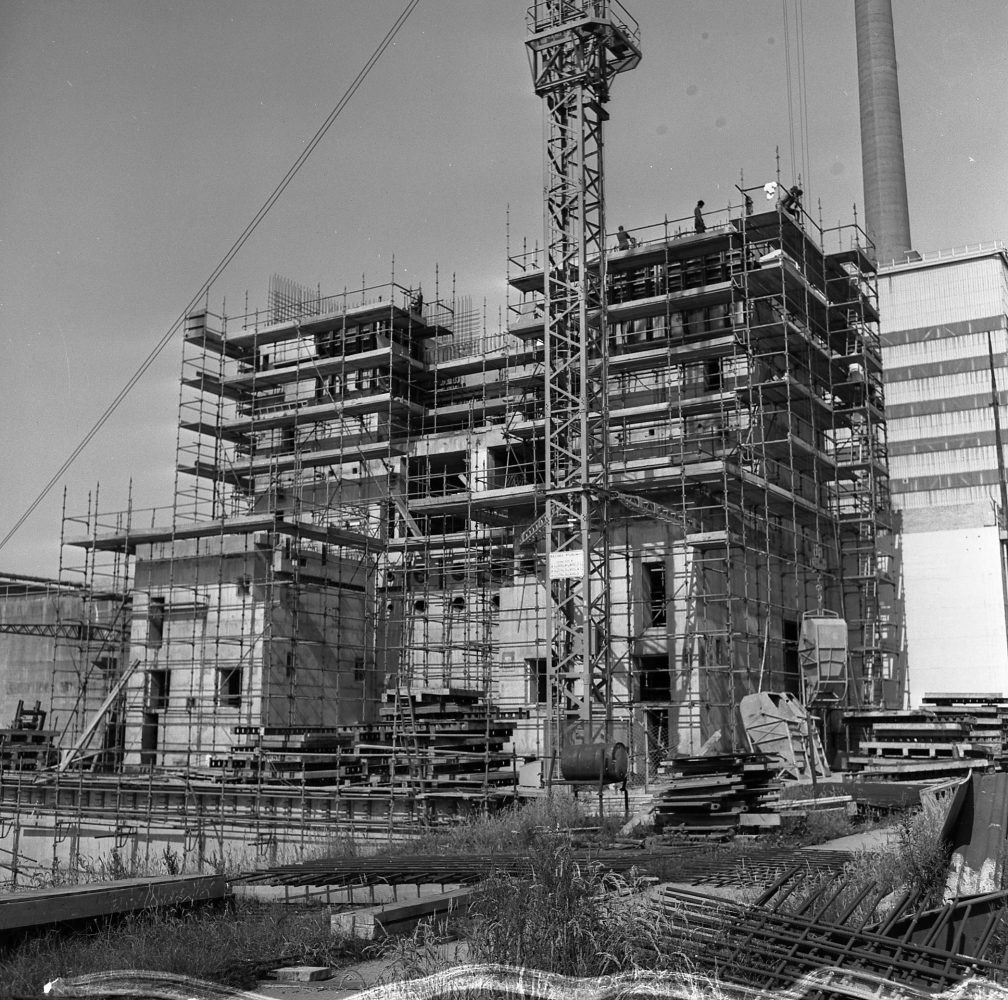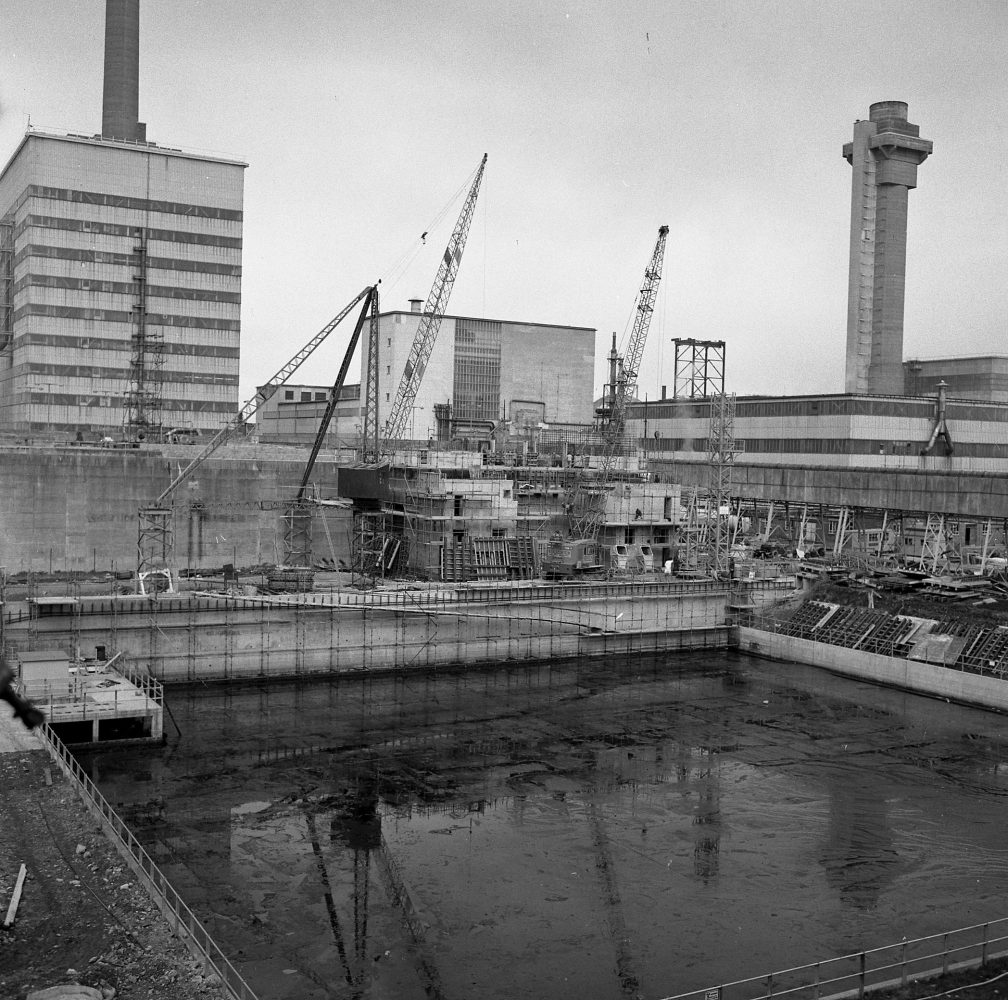

An integrated team from React Engineering and Sellafield Ltd. has delivered a pragmatic, lifecycle-driven approach to accelerate the safe and effective decommissioning of the Medium Active Salt Evaporator (MASE) plant, setting a new benchmark for collaboration and efficiency across the Sellafield site.
MASE has played a pivotal role in the conditioning of active effluents for safe management and disposal during decades of reprocessing operations. With its mission now complete, focus has turned to decommissioning the facility within a relatively short timeframe to release land in support of priority high-hazard reduction works, while navigating the challenges of a heavily congested site and neighbouring high-hazard facilities.
To achieve the ambitious goal of accelerated decommissioning and demolition of MASE in less than half of the original baseline duration, Sellafield Ltd. engaged React Engineering, as part of Cumbria Nuclear Solutions Limited (CNSL), to develop a comprehensive, end-to-end strategy spanning operations through to demolition. The goal: to apply the Decommissioning Lifecycle Approach in a way that delivers measurable value, clear accountability, and accelerated progress.
A Pragmatic, One-Team Approach
From the outset, the delivery was driven by a shared commitment to collaboration, transparency, and results. A fully integrated React-Sellafield team combining project management, consultancy, and engineering expertise, including design Intelligent Client capability, worked across two Value Streams to co-create a single, cohesive decommissioning strategy.
Central to this approach was the development of a trust-based, high-functioning culture, where all team members were empowered to share ideas, challenge assumptions, and apply a true decommissioning mindset focused on achieving progress at pace.
Work was distributed using a “best fit” principle, ensuring each task was led by the right capability and experience, while providing opportunities for professional growth across the multi-disciplinary team.
Delivering Measurable Impact
The integrated delivery model achieved several standout successes:
- Seamless collaboration between two organisations and Value Streams.
- Empowered team culture, resulting in high-quality engineering outputs and sustained performance.
- Early decommissioning opportunities identified and delivered ahead of plan.
- Ejector unblocking: returning the plant to an operational state and unlocking over £5 million in lifetime savings.
- High-quality visual outputs to support stakeholder engagement.
- Cross-Value Stream endorsement of the decommissioning strategy which is now recognised as a reference model for future applications.
- Delivery of all contracted scope and more under budget and earlier than planned.
These achievements demonstrate how a structured, yet adaptable lifecycle approach can accelerate progress without compromising safety or quality, embedding long-term value for both the client and the wider nuclear decommissioning community.
Industry Endorsement
““The MASE Delivery Team, a fully integrated collaboration between Sellafield Ltd. and React, have put in a significant amount of work to develop the end-to-end decommissioning strategy and produce the associated Decommissioning Delivery Approach (DDA),” said Glenn McCracken, Head of Remediation Value Stream.
“The DDA documents all the decommissioning lifecycle phases, packages of work and key transition points and is a great example of using the Decommissioning Lifecycle Approach in practice. This has provided key learning and an important reference for other decommissioning work across Sellafield.”
Setting the Standard for Future Decommissioning
For React Engineering, the project exemplifies the company’s commitment to practical innovation and collaborative delivery. The success of the MASE strategy reinforces the value of integrated, lifecycle-focused planning and the importance of culture in driving efficiency and safety in complex environments.
The lessons learned and approaches developed through this work are already informing future projects across the Sellafield site and beyond, advancing the industry’s collective mission to accelerate decommissioning and deliver safe, sustainable outcomes.